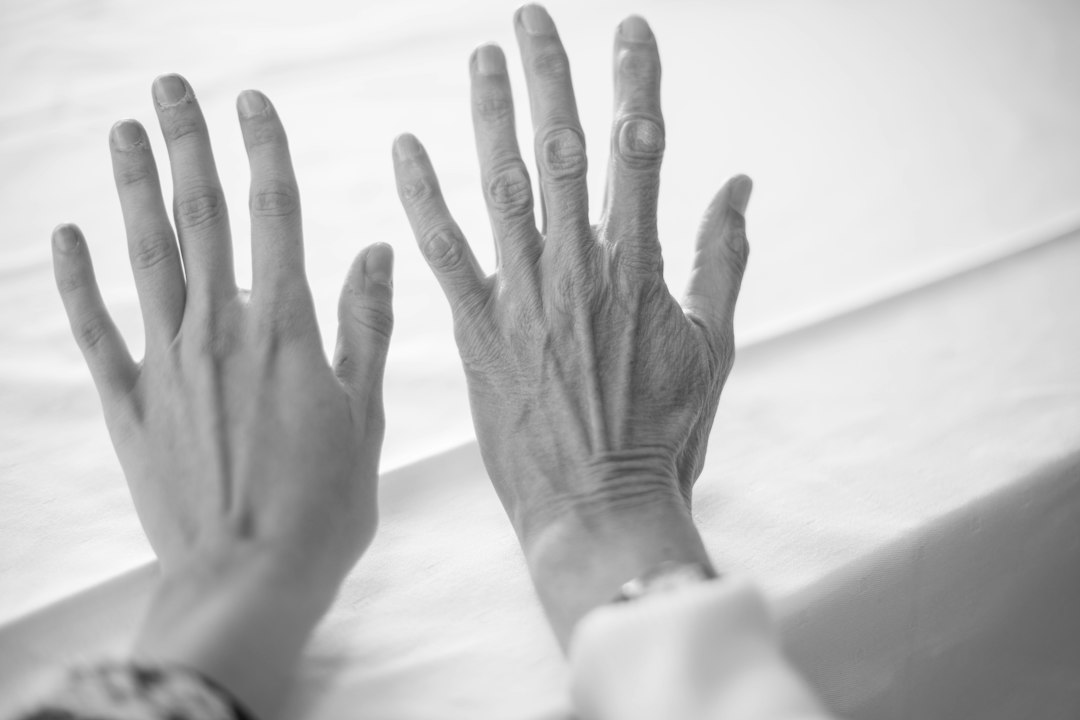
Introduction
If you've noticed your nails becoming thicker, more brittle, and generally harder to manage as you've gotten older, you're not alone. This is one of the most common complaints heard from people over 40, yet many don't fully understand what's happening beneath the surface. The question of why do nails get thick and brittle with age isn't simply about cosmetic concern—it reflects real changes in your body's biology, nutrient metabolism, and cellular function.
Your nails are made of a protein called keratin, layered together in a protective structure that's surprisingly complex. As we age, the mechanisms that produce healthy nail growth slow down, and various physiological changes begin to affect nail quality. Understanding these changes is the first step toward managing the problem effectively. This article explores the science behind aging nails, what you might observe, and practical approaches to support healthier nail growth as you move through your later years.
Why Nails Thicken and Become Brittle: The Biological Causes
As we age, several interconnected biological processes contribute to changes in nail structure and appearance. One of the primary culprits is reduced blood circulation to the nail bed. A 2019 study published in the *International Journal of Dermatology* found that microcirculation—the flow of blood through tiny vessels—decreases significantly with age, affecting nutrient delivery to the cells responsible for nail formation. When nutrient-rich blood reaches the nail-forming cells (called the matrix) less efficiently, the nails that grow are often weaker and more prone to splitting and peeling.
Additionally, the rate of nail growth itself slows considerably after age 40. Research indicates that fingernails grow roughly 25% more slowly in people over 60 compared to younger adults. This slowdown means the nail-forming cells have more time to accumulate damage and irregularities. The keratin proteins that make up the nail structure also become less organized and more porous, leading to brittleness—the nails literally cannot hold moisture as effectively as they once did.
Hormonal changes, particularly declining estrogen levels in women and testosterone in men, play a significant role in nail health. These hormones influence collagen production and skin elasticity, and their decline directly affects the structural integrity of nails. Furthermore, decades of environmental exposure—hand washing, chemical contact, UV radiation—creates cumulative damage to the outer nail layers. The body's natural repair mechanisms also become less efficient with age, meaning the damage accumulates faster than it can be repaired. Finally, why do nails get thick and brittle with age is partly explained by increased likelihood of fungal colonization. Thickened, damaged nails provide an ideal environment for fungal growth, which can worsen the problem significantly.
Recognizing the Signs and Symptoms of Aging Nails
The changes associated with aging nails manifest in several distinctive ways that most people over 40 will recognize. Thickening is often one of the first noticeable changes—nails may become noticeably bulkier and harder to trim, sometimes becoming so thick that standard nail clippers become ineffective. This thickening isn't uniform; you might notice ridges and an uneven surface texture.
Brittleness and peeling represent another hallmark sign. Rather than breaking cleanly across the nail, brittle nails split vertically from the free edge, a condition called "onychoschizia." You may find that even gentle contact causes layers of the nail to separate from one another. Some people describe this as their nails "flaking like paint." The nails may also become increasingly dry and dull in appearance, losing the natural shine they once had.
Color changes frequently accompany structural changes. Nails may develop a yellowish or brownish tint, particularly if there's fungal involvement or significant nail bed changes. White spots or streaks can appear, though these are usually benign and relate to minor trauma to the nail matrix. You might also notice that nails become more curved or develop a spoon-like shape (called koilonychia), which can indicate underlying nutritional deficiencies or other health conditions.
The nail-skin junction may also change, with the nail separating slightly from the nail bed (onycholysis) or becoming painful to pressure. Some people experience slow-healing small injuries around the nails, and the surrounding skin may become dry and irritated more easily. These aren't just cosmetic issues—they often signal that the nail structure is genuinely compromised and the body's protective barrier in that area is weakened.
How Aging Nails Impact Your Daily Life
While aging nails might seem like a minor cosmetic concern, the reality is that thickened, brittle nails can significantly interfere with daily functioning. Brittle nails break easily during routine activities—typing, opening containers, doing laundry, or gardening—sometimes catching on fabric or breaking below the nail line where they cause pain and bleeding. This constant breakage becomes genuinely frustrating and can limit the activities you feel comfortable doing.
For people who enjoy hobbies requiring manual dexterity, thickened nails can be problematic. Musicians, artists, and those engaged in detailed craftwork often find their nails interfere with their ability to perform. The thick nails that are difficult to trim also require specialized tools and sometimes even professional podiatric or dermatological care, adding an unexpected health expense to your budget.
Psychologically, many people experience lowered confidence or self-consciousness about their nails. Visible nail damage can feel like a sign of aging that's hard to hide, especially during warmer months when nails are more exposed. For some, this leads to avoiding social situations or feeling uncomfortable during personal grooming.
Additionally, thickened, damaged nails are more susceptible to infection and fungal colonization, which can create additional medical complications. These infections are notoriously difficult to treat and can spread to other nails or skin areas. The combination of structural damage and increased infection risk means that nail health in older age often requires more intentional management and care than people might expect.
Natural Approaches and Lifestyle Modifications
While you can't reverse aging entirely, several evidence-based lifestyle approaches can support healthier nail growth and slow deterioration. The first priority is protecting your nails from further damage. Wear protective gloves when cleaning, gardening, or working with water or chemicals. Extended water exposure causes nails to absorb moisture and become temporarily soft, then dry out and become brittle—a damaging cycle. Keep nails properly trimmed and filed rather than torn or broken.
Moisturizing nails and cuticles regularly makes a genuine difference. Unlike skin, nails can't produce their own oils, so they rely on external moisture. Applying cuticle oil or hand cream after washing hands and before bed helps nails retain moisture. Some dermatologists recommend using a gentle nail hardener, though this should be used sparingly and not continuously, as some products can actually increase brittleness over time.
Minimize exposure to harsh nail products and excessive manicuring. Frequent gel manicures and prolonged exposure to nail polish—which creates a moisture barrier that can cause nails to become overly dry when removed—may contribute to brittleness. If you enjoy nail polish, use acetone-free removers and limit frequency. Consider taking breaks from polish periodically to allow nails to recover.
Temperature regulation also matters. Extreme cold causes nails to become brittle, so keep hands warm and moisturized during winter months. Maintaining overall hydration by drinking adequate water throughout the day supports nail health from within. Finally, avoid using nails as tools for opening containers, scraping, or other tasks—use appropriate tools instead. This simple habit change prevents much of the trauma that leads to breakage and separation.
The Role of Nutrition and Dietary Support
The nutritional foundation for healthy nails is well-documented in scientific literature. Biotin, a B-vitamin, has shown particular promise in supporting nail strength. A 2015 study in the *Journal of Drugs in Dermatology* found that patients taking biotin supplementation experienced significant improvements in nail thickness and reduced splitting and peeling after just a few months. Biotin supports keratin production, the primary protein in nails.
Iron deficiency can cause pale, brittle nails and is particularly common in older women and those with certain dietary restrictions. Iron is essential for oxygen transport to growing nail cells. A simple blood test can determine if iron levels are low. Zinc is another critical mineral—deficiency manifests as white spots on nails and slowed growth. Zinc supports cell division and protein synthesis, both essential for healthy nail formation.
Vitamin B12 and other B-vitamins support cellular energy production and the metabolic processes required for nail growth. Older adults often have reduced B12 absorption, making supplementation or increased dietary intake important. Protein itself is fundamental—your nails are essentially compressed protein, so adequate dietary protein intake supports the raw materials needed for growth. This is why this is where many adults turn to targeted nutritional support formulas—one such option is Kerassentials, which combines these key nutrients in one supplement formulated specifically for nail, hair, and skin health.
Collagen and silica have emerging evidence supporting their role in nail strength. Silica appears to help nails retain moisture and improve structural integrity. Some research suggests that collagen supplementation may improve nail flexibility and reduce breakage, though more studies are needed. Omega-3 fatty acids support inflammation reduction and cellular health, potentially benefiting nail growth. These can be obtained through fatty fish, flaxseeds, or supplements.
Frequently Asked Questions
Q: Are thick nails a sign of a serious health condition?
A: Usually not. Thickened nails with age are a normal part of aging and reflect slowed cell turnover and reduced circulation. However, if thickening occurs suddenly, is accompanied by pain, or affects only some nails, consult a healthcare provider to rule out fungal infection, psoriasis, or other dermatological conditions that require specific treatment.
Q: Can I reverse nail brittleness?
A: Brittleness improves gradually with consistent care and nutritional support, but you cannot reverse all age-related changes. New nails growing in will benefit from improved nutrition and protection, so you should notice gradual improvement over several months. The process requires patience since nails grow slowly—about one-tenth of an inch per month.
Q: How long does it take to see improvements in nail health?
A: Because nails grow slowly, improvements typically become visible after 2-3 months of consistent nutritional support and protective care. A full nail cycle (complete replacement of the nail) takes approximately 4-6 months for fingernails and up to a year for toenails, so patience is essential.
Supporting Nail Health as You Age
Understanding why do nails get thick and brittle with age empowers you to take meaningful action rather than simply accepting it as an inevitable part of growing older. While you cannot stop aging, you can significantly influence the rate and severity of nail deterioration through targeted nutrition, careful protection, and consistent habits.
The combination of reduced circulation, slowed cell growth, hormonal changes, and cumulative environmental damage creates the perfect storm for declining nail health. But each of these factors can be influenced. Supporting nail health requires a multi-faceted approach—moisturizing consistently, protecting nails from damage, ensuring adequate nutrition (especially biotin, iron, zinc, and B-vitamins), staying hydrated, and avoiding excessive trauma.
Most importantly, consistency matters far more than perfection. Small daily habits—wearing gloves when appropriate, applying cuticle oil, eating protein-rich meals, staying hydrated—compound over time into noticeably healthier nails. If lifestyle changes alone aren't sufficient, nutritional supplementation provides a practical way to ensure you're delivering the specific nutrients your nails need to grow strong.
Dealing with thickened, brittle nails can be frustrating, especially when basic nail care isn't enough. If you're looking to support your nails with targeted nutrition, learn more about Kerassentials and its approach to supporting nail health. Many people find that addressing nutritional gaps makes a meaningful difference in nail quality over time.